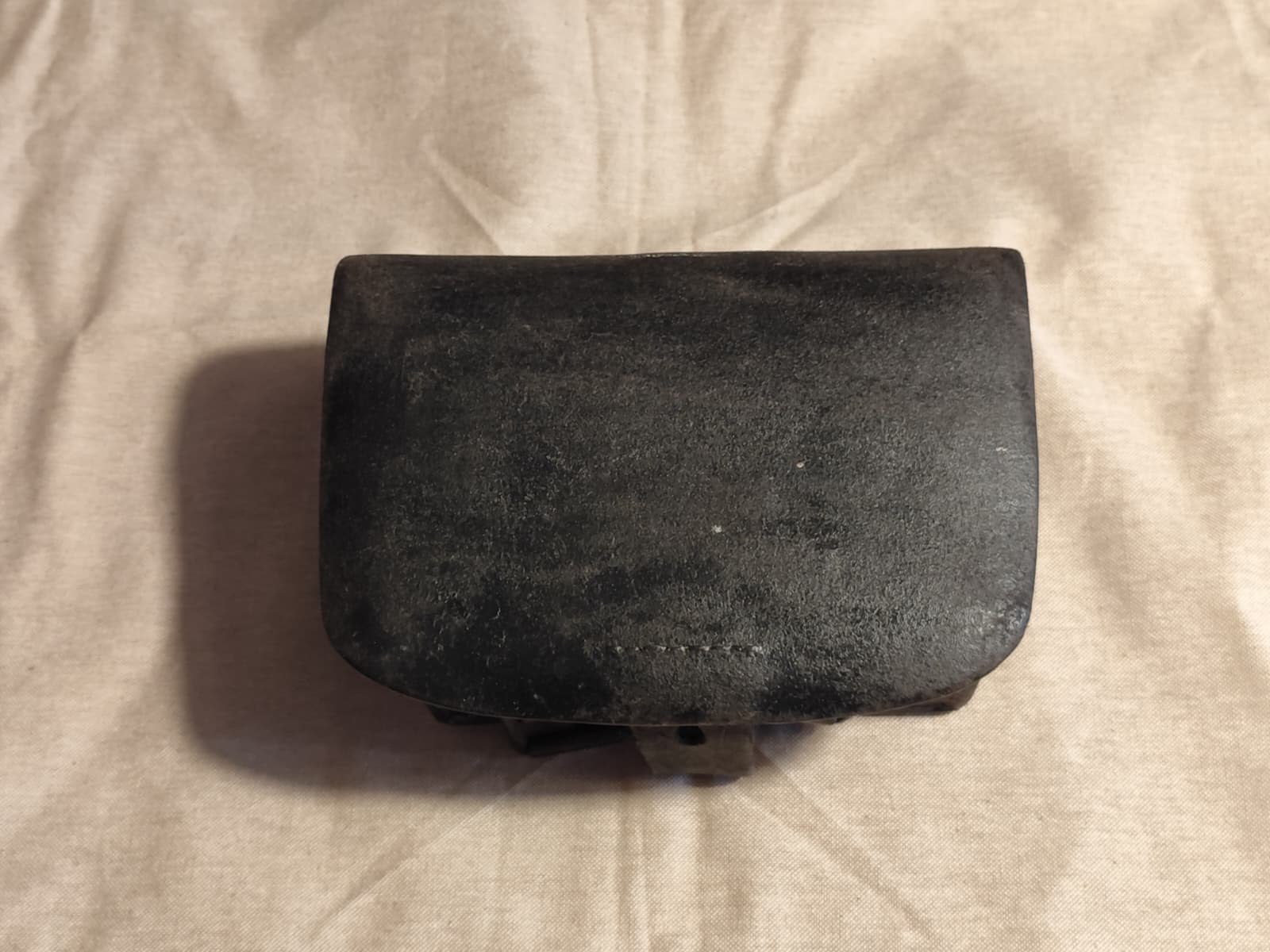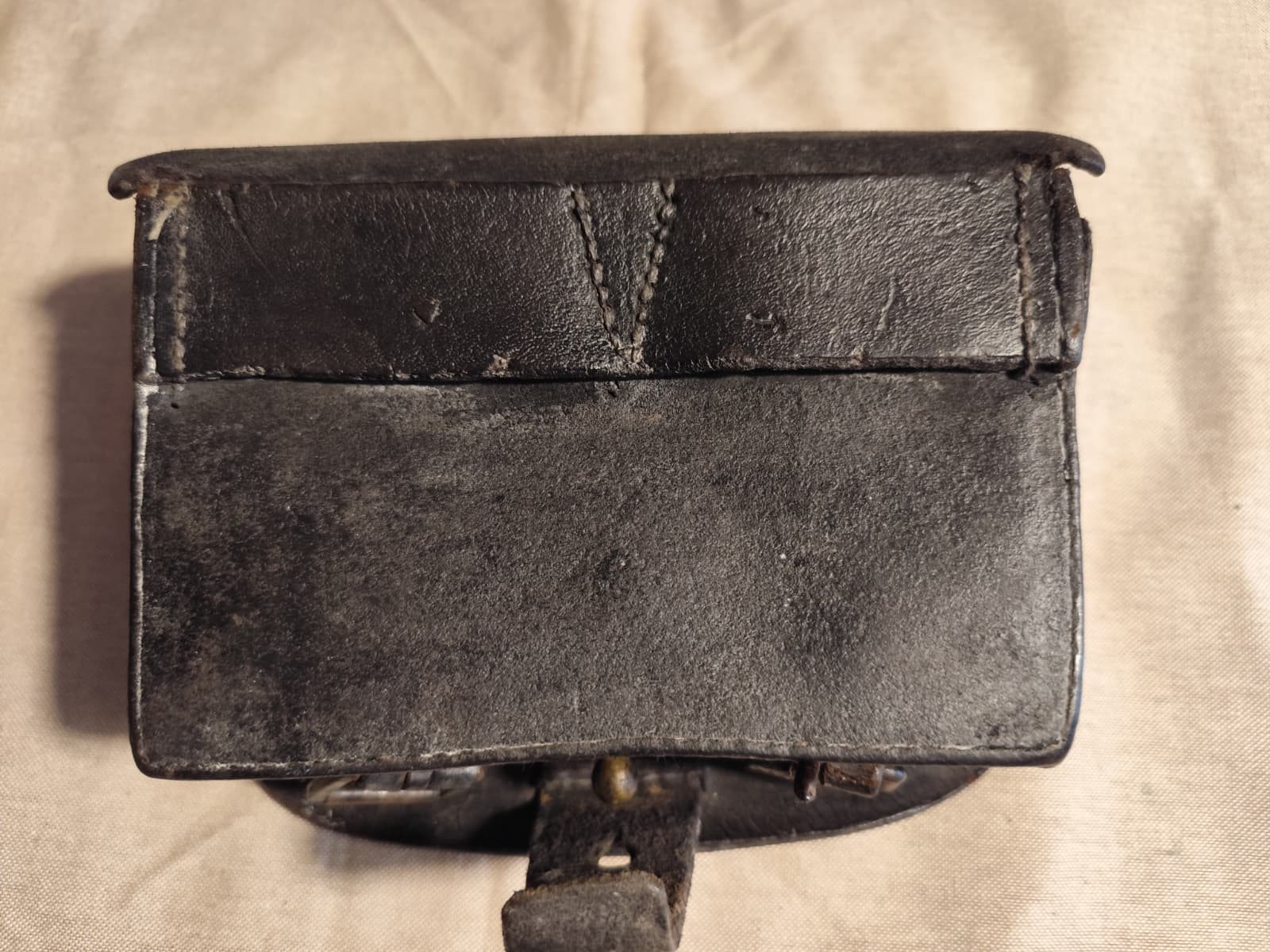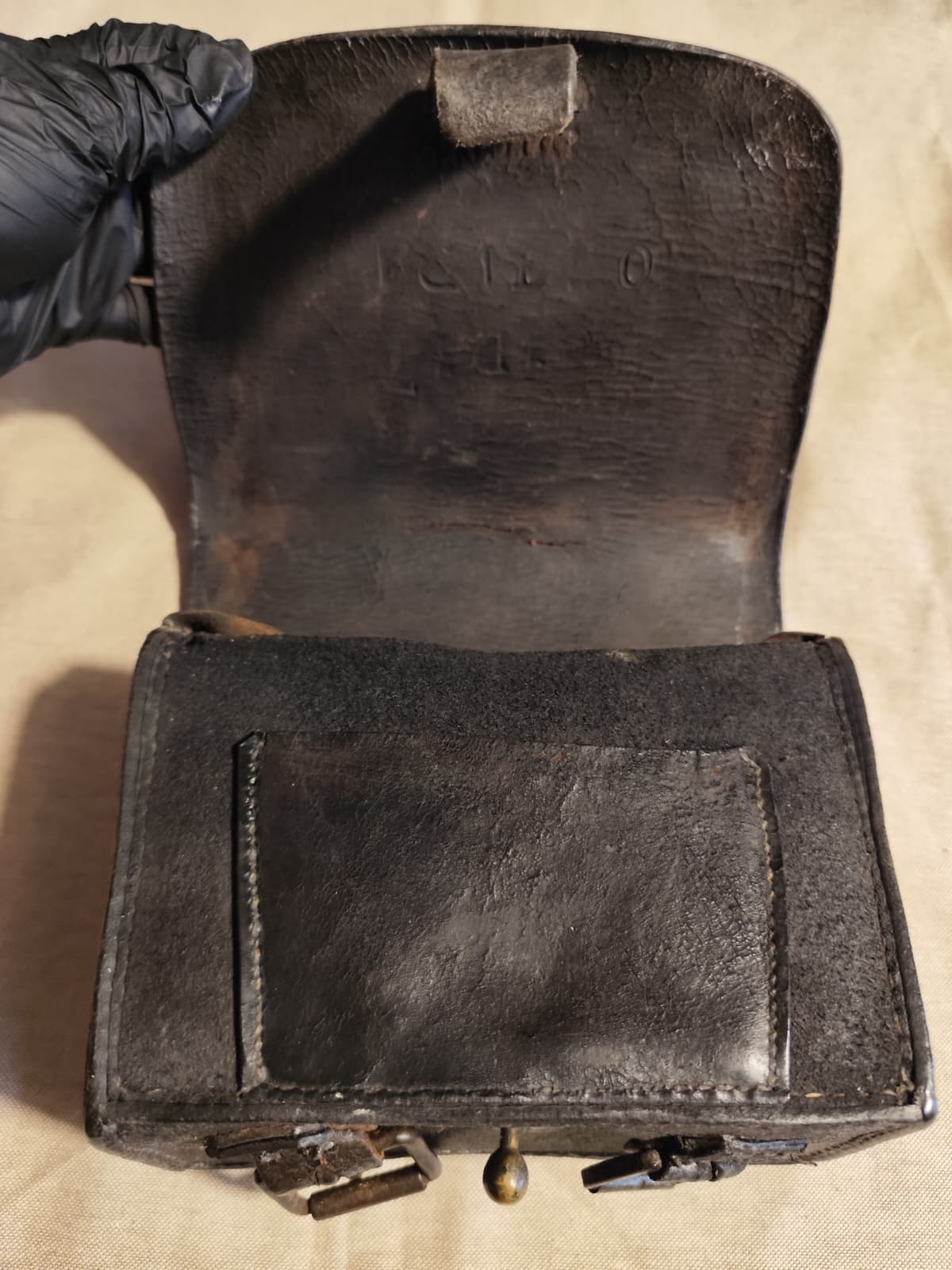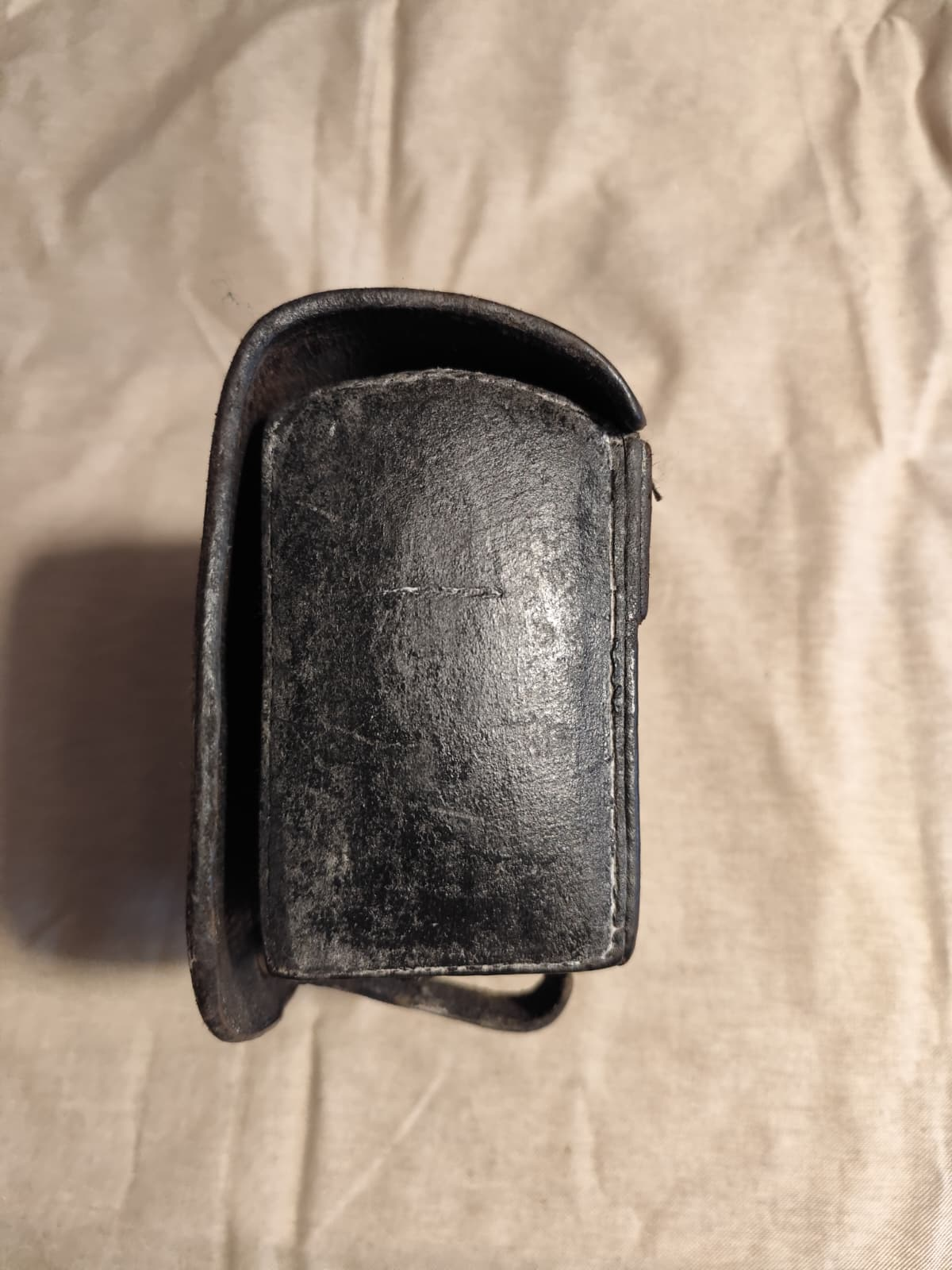
An original Portuguese 60 round cartridge pouch, Peninsular War.
This study focuses on a original Napoleonic-era Portuguese Pouch, used during the Peninsular War with the 1st Caçador Batallion.
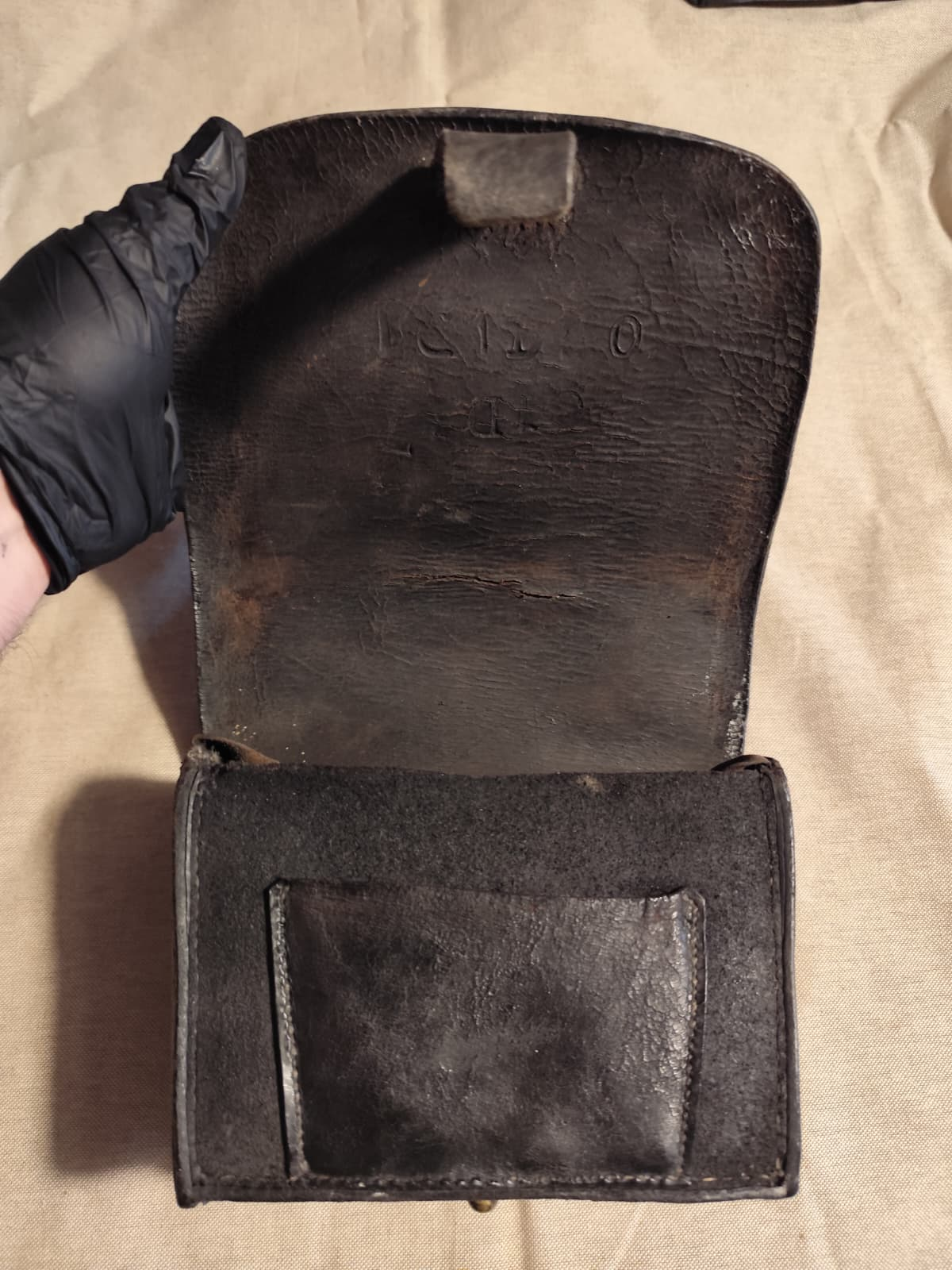
This pouch is of a British pattern, for 60 rounds, and would have inside two tin magazines, placed one on top of the other.
It is dated to around 1808–1810 and would have seen service as early as the Third French Invasion of Portugal, continuing throughout the war during the various campaigns in Spain, and into the closing stages in France in 1814. It has likely seen service well into the 1830's during the Portuguese Civil War.
Extraordinarily, we can extrapolate (without being absolutely certain) two possible soldiers who could have used this pouch during the Battle of Vitoria in 1813.
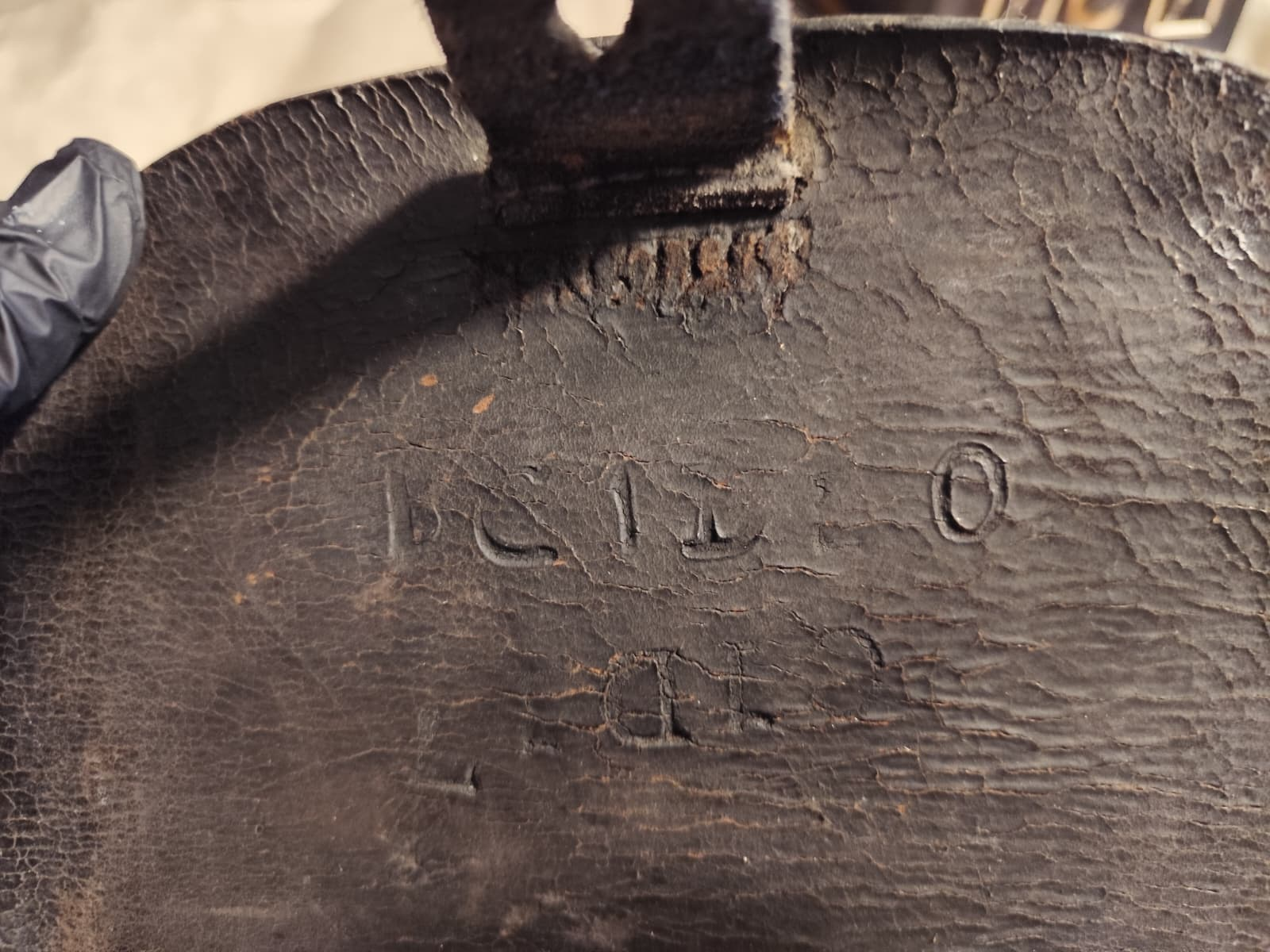
The pouch is marked BCI D 10 (the 1 from the number 10 is very difficult to make out, even in the photograph) and CI D 17. This would indicate that the pouch was used by the Portuguese 1st Caçadores Battalion, 4th Company, either the 10th soldier or the 17th soldier.
This is absolutely amazing, as this is precisely the unit I reenact with — Associação 1º Batalhão de Caçadores - Grupo de Recriação Histórica.
Checking the original records of soldiers present at Vitoria, we can see that the 10th soldier was with the 1st Company (Atiradores), and not the 4th.
However, the 17th soldier was with the 4th Company.
The 10th soldier was named Francisco Vaz da Cunha, and the 17th was named Francisco João.
It is, of course, possible that this pouch was not used by either of these men — although it is equally possible that it was. I personally find this extremely interesting.
Now, to the technical details. This pouch has seen some repairs (some rather dubious ones) over the years to keep it serviceable.
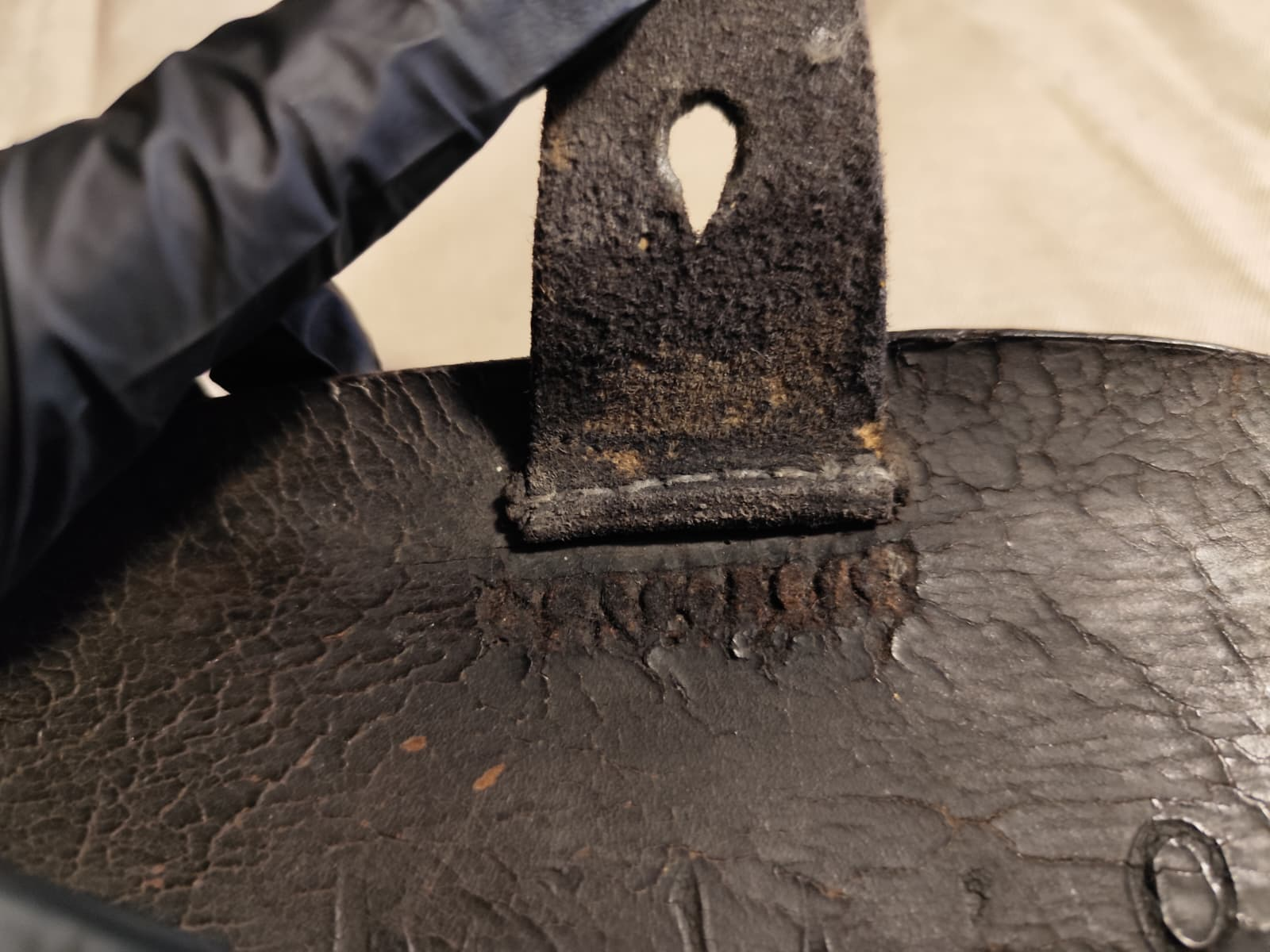
Most noticeably, we can see the distinctive invisible stitching marks on the inside of the lid. Just last month I covered the study of this stitch, which is typical of British pouches. The opening tab was likely replaced and punched straight through the front of the lid, with the “new” stitching visible on the outside.
On the bottom, we can see at least two repairs or modifications. The first is a brass peg, likely replacing the original leather button, which is prone to wear and tear.
Also on the bottom, we can see an original iron buckle, again standard on British pouches. Opposite to it, however, there is a replacement roller buckle — larger, and somewhat roughly sewn into place, without much care.
On the back, the tab through which the crossbelt would pass is also likely a replacement, as inside we can see the original punched holes from the previous tab. British pouches also commonly had a small fastener in the middle of this section, allowing the pouch to be attached to the buttons on the back of the uniform's coat, securing it in place. This fastener has not survived and is not present on this pouch.
This is an invaluable addition to my collection, and it will undoubtedly help to improve my work and reproductions.
Study undertaken by João Duarte,
March 2026